All'avanguardia dell'apprendimento iper-digitalizzato
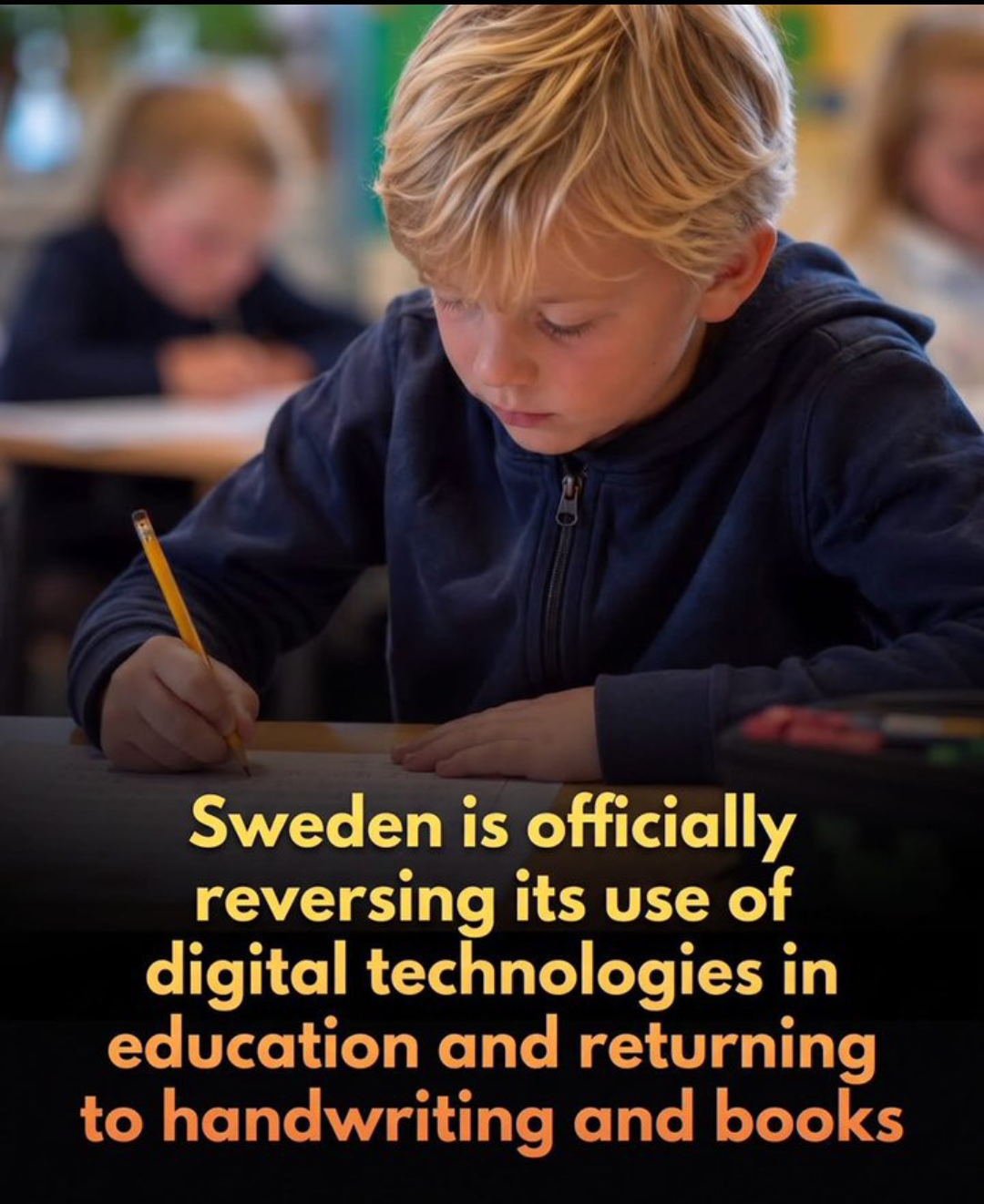
La Svezia sta ufficialmente sostituendo schermi e tablet con libri cartacei e scrittura a mano per invertire il calo delle competenze di lettura.
Un tempo all'avanguardia nell'apprendimento iper-digitalizzato, la Svezia sta attuando una drastica svolta verso il ritorno alle basi nelle proprie aule scolastiche. Preoccupati dal fatto che l'eccessiva dipendenza da tablet e schermi digitali abbia eroso la comprensione del testo e le competenze di scrittura fondamentali, i funzionari dell'istruzione svedesi stanno investendo massicciamente nei libri di testo stampati tradizionali.
La strategia nazionale mira a eliminare completamente i dispositivi digitali per i bambini sotto i sei anni di età, a seguito di un calo nei punteggi delle valutazioni internazionali di lettura.
Gli esperti evidenziano che, sebbene la tecnologia sia stata promossa per livellare le opportunità d'apprendimento, il suo uso incontrollato ha invece portato a una minore soglia di attenzione e a una ridotta ritenzione delle informazioni tra i giovani studenti.
Le evidenze scientifiche supportano fortemente questa transizione di ritorno alle origini. Le ricerche indicano che l'atto fisico della scrittura manuale attiva complesse reti neuronali che regolano la motricità, la vista, la memoria e il linguaggio — benefici cognitivi che vanno in gran parte perduti quando si digita su una tastiera.
Inoltre, la lettura da una pagina stampata fornisce fondamentali riferimenti spaziali che aiutano la comprensione, a differenza degli schermi digitali che spesso sottopongono gli studenti a affaticamento cognitivo e a continue distrazioni. Sebbene computer e tablet rimangano strumenti preziosi per la ricerca e la collaborazione, gli educatori di tutto il mondo osservano l'imponente reinvestimento della Svezia nei libri cartacei come un possibile modello per un approccio scolastico moderno più equilibrato e basato sulla scienza.
Fonte: The Guardian. Switching off: Sweden says back-to-basics schooling works on paper.
Studio Assistito con l'Intelligenza Artificiale
Vuoi padroneggiare al meglio i concetti di questo articolo? Avvia lo studio assistito per generare riassunti automatici, mappe concettuali o farti interrogare con il metodo socratico.